Abstract
The aim of this study was to determine the antimicrobial effects of lemongrass essential oil (C. flexuosus) and to determine cytotoxic effects of both test compounds on human dermal fibroblasts. Antimicrobial susceptibility screening was carried out using the disk diffusion method. Antimicrobial resistance was observed in four of five Acinetobacter baumannii strains with two strains confirmed as multi-drug-resistant (MDR). All the strains tested were susceptible to both lemongrass and citral with zones of inhibition varying between 17 to 80 mm. The mean minimum inhibitory concentration (MIC) and minimum bactericidal concentration (MBC) of citral (mic-0.14 % and mbc-0.3 % v/v) was lower than that of Lemongrass (mic-0.65 % and mbc-1.1 % v/v) determined using the microtitre plate method. Cell viability using human dermal fibroblasts (HDF; 106-05a) was determined following exposure to both compounds and a control (Grapeseed oil) using the XTT assay and the IC50 determined at 0.095 % (v/v) for citral and 0.126 % (v/v) for lemongrass. Grapeseed oil had no effect on cell viability. Live cell imaging was performed using the LumaScope 500 imaging equipment and changes in HDF cell morphology such as necrotic features and shrinkage were observed. The ability of lemongrass essential oil (EO) and citral to inhibit and kill MDR A. baumannii highlights its potential for use in the management of drug-resistant infections; however, in vitro cytotoxicity does suggest further tests are needed before in vivo or ex vivo human exposure.
🔬 Techniques
🧪 Sample Preparation
🔬 Cell Lines
🧪 Reagent Suppliers
🏛️ Research Organizations (ROR)
Affiliated research institutions:
📋 Methods
Bacterial strains Five
A. baumannii strains from the University of the West of England, Bristol, UK, microbiology culture collection were used in this study. These were ATCC® BAA-1709™ (human isolate), ATCC® BAA-1710™ (human isolate), NCTC 12156 (ATCC 19606; type strain), ATCC 17978 (lung infection model; human isolate) and SM 37212, a clinical isolate obtained from the Pathology department at Southmead Hospital, Bristol, UK. The strains were maintained on brain heart infusion (BHI) agar (CM1136; Oxoid Ltd, Basingstoke, UK) and sub-cultured on a weekly basis. For inoculum preparation, single colonies were picked from a BHI agar plate into BHI broth (CM1135; Oxoid Ltd., Basingstoke, UK) and incubated overnight at 37 °C. EO and component The lemongrass EO ( C. flexuosus ) used in this study was donated by Amphora Aromatics, Bristol, UK, whilst citral (95 %; synonym—3,7-dimethyl-2,6-octadienal, geranial and neral mixture; CAS Number 5392–40-5) was purchased from Sigma-Aldrich, Dorset, UK. The EO and citral were stored in a cool dark place and the containers kept tightly closed in a dry and well-ventilated place according to the safety data information.
Susceptibility testing
The disk diffusion assay was used to determine antimicrobial susceptibility of the A. baumannii to a selection of antibiotics (Table 1 ) using the British Society for Antimicrobial Chemotherapy guidelines, version 13 ( 2014 ) and to whole lemongrass EO and citral. Using the agar overlay assay, bacterial lawns were prepared with the inoculum size adjusted to approximately 1.5 × 10 8 CFU/ml. Ten microliters of lemongrass EO and citral were deposited onto 6-mm filter paper discs before placing them on the surface of Iso-sensitest agar (Oxoid; Basingstoke, UK). The agar plates were then incubated at 37 °C for 24 h and the diameter of the zone of inhibition (ZOI) measured in millimetres using a Vernier calliper. Each experiment was performed in triplicate. The controls were bacterial cultures without treatment. Table 1 Inhibition zones (mm) of A. baumannii strains after 24 h exposure to selected antibiotics following BSAC guidelines (version 13, June 2014) Antibiotic Disc content (μg) NCTC 12156 (ATCC 19606) ATCC 17978 SM 37212 ATCC® BAA-1709™ ATCC® BAA-1710™ Ciprofloxacin 1 18.30 (R) 17.6 (R) 0.00 (R) 30.10 (S) 0.00 (R) Gentamicin 10 20.70 (S) 19.6 (R) 7.42 (R) 31.70 (S) 7.10 (R) Meropenem 10 26.50 (S) 27.7 (R) 21.00 (R) 36.80 (S) 25.70 (S) Piperacillin/Tazobactam 75/10 24.50 (S) 25.00 (S) 18.90 (R) 86.00 (S) 20.00 (I) Criteria for defining MDR, XDR and PDR in Acinetobacter spp. (Magiorakos et al. 2012 ); MDR: non-susceptible to ≥1 agent in ≥3 antimicrobial categories; XDR: non-susceptible to ≥1 agent in all but ≤2 categories; PDR: non-susceptible to all antimicrobial agents listed ( R ) resistant, ( S ) sensitive, ( I ) intermediate Minimum inhibitory concentration and minimum bactericidal concentration The method used in this study for determination of inhibitory and bactericidal activity of both lemongrass EO and citral was similar to that use in Adukwu et al. ( 2012 ) with similar concentration ranges 0.03, 0.06, 0.12, 0.5, 1, 2 and 4 % ( v / v ), and the only difference was the microplate reader. In this study, we used the Tecan Infinite 200 PRO, Reading, UK for optical density measurements. For minimum bactericidal concentration (MBC) determination, 10 μl was taken from each well (treated and untreated) after incubation and spot inoculated on BHI agar and incubated for 24 h at 37 °C. The concentration at which no growth was observed on subculture was determined as the MBC.
Show full methods section
Bacterial strains Five
A. baumannii strains from the University of the West of England, Bristol, UK, microbiology culture collection were used in this study. These were ATCC® BAA-1709™ (human isolate), ATCC® BAA-1710™ (human isolate), NCTC 12156 (ATCC 19606; type strain), ATCC 17978 (lung infection model; human isolate) and SM 37212, a clinical isolate obtained from the Pathology department at Southmead Hospital, Bristol, UK. The strains were maintained on brain heart infusion (BHI) agar (CM1136; Oxoid Ltd, Basingstoke, UK) and sub-cultured on a weekly basis. For inoculum preparation, single colonies were picked from a BHI agar plate into BHI broth (CM1135; Oxoid Ltd., Basingstoke, UK) and incubated overnight at 37 °C. EO and component The lemongrass EO ( C. flexuosus ) used in this study was donated by Amphora Aromatics, Bristol, UK, whilst citral (95 %; synonym—3,7-dimethyl-2,6-octadienal, geranial and neral mixture; CAS Number 5392–40-5) was purchased from Sigma-Aldrich, Dorset, UK. The EO and citral were stored in a cool dark place and the containers kept tightly closed in a dry and well-ventilated place according to the safety data information.
Susceptibility testing
The disk diffusion assay was used to determine antimicrobial susceptibility of the A. baumannii to a selection of antibiotics (Table 1 ) using the British Society for Antimicrobial Chemotherapy guidelines, version 13 ( 2014 ) and to whole lemongrass EO and citral. Using the agar overlay assay, bacterial lawns were prepared with the inoculum size adjusted to approximately 1.5 × 10 8 CFU/ml. Ten microliters of lemongrass EO and citral were deposited onto 6-mm filter paper discs before placing them on the surface of Iso-sensitest agar (Oxoid; Basingstoke, UK). The agar plates were then incubated at 37 °C for 24 h and the diameter of the zone of inhibition (ZOI) measured in millimetres using a Vernier calliper. Each experiment was performed in triplicate. The controls were bacterial cultures without treatment. Table 1 Inhibition zones (mm) of A. baumannii strains after 24 h exposure to selected antibiotics following BSAC guidelines (version 13, June 2014) Antibiotic Disc content (μg) NCTC 12156 (ATCC 19606) ATCC 17978 SM 37212 ATCC® BAA-1709™ ATCC® BAA-1710™ Ciprofloxacin 1 18.30 (R) 17.6 (R) 0.00 (R) 30.10 (S) 0.00 (R) Gentamicin 10 20.70 (S) 19.6 (R) 7.42 (R) 31.70 (S) 7.10 (R) Meropenem 10 26.50 (S) 27.7 (R) 21.00 (R) 36.80 (S) 25.70 (S) Piperacillin/Tazobactam 75/10 24.50 (S) 25.00 (S) 18.90 (R) 86.00 (S) 20.00 (I) Criteria for defining MDR, XDR and PDR in Acinetobacter spp. (Magiorakos et al. 2012 ); MDR: non-susceptible to ≥1 agent in ≥3 antimicrobial categories; XDR: non-susceptible to ≥1 agent in all but ≤2 categories; PDR: non-susceptible to all antimicrobial agents listed ( R ) resistant, ( S ) sensitive, ( I ) intermediate Minimum inhibitory concentration and minimum bactericidal concentration The method used in this study for determination of inhibitory and bactericidal activity of both lemongrass EO and citral was similar to that use in Adukwu et al. ( 2012 ) with similar concentration ranges 0.03, 0.06, 0.12, 0.5, 1, 2 and 4 % ( v / v ), and the only difference was the microplate reader. In this study, we used the Tecan Infinite 200 PRO, Reading, UK for optical density measurements. For minimum bactericidal concentration (MBC) determination, 10 μl was taken from each well (treated and untreated) after incubation and spot inoculated on BHI agar and incubated for 24 h at 37 °C. The concentration at which no growth was observed on subculture was determined as the MBC.
📊 Figures
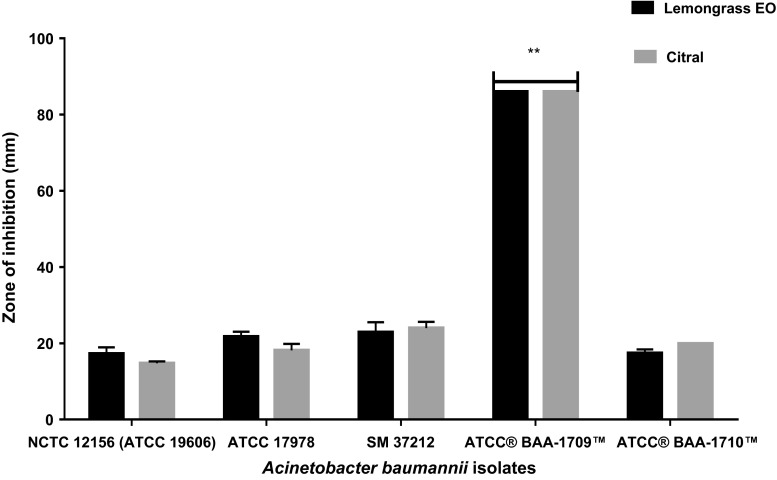
Fig. 1
Comparison of the inhibition zones (mm) of whole lemongrass EO ( black bars ) and citral ( grey bars ) against A. baumannii isolates measured on agar medium. **The disk diffusion of ATCCu00ae BAA-1709...
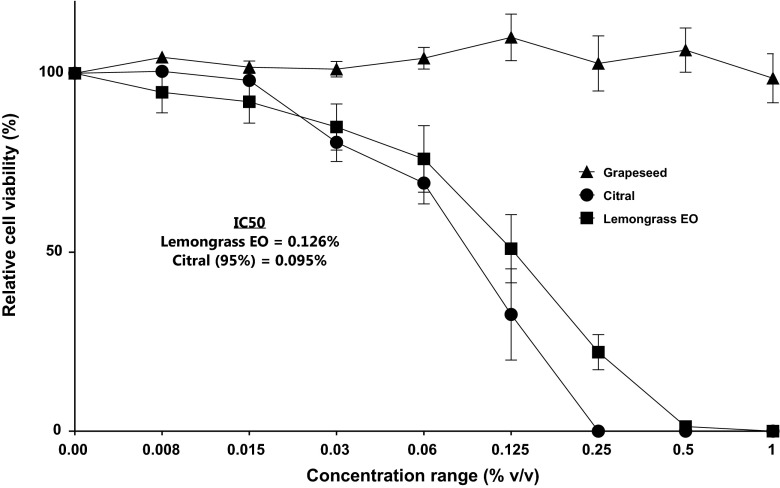
Fig. 2
Dose-dependent cytotoxicity calculated as the relative cell viability (%) of whole lemongrass EO, citral and grapeseed EO (carrier oil) on HDF as determined by the XTT assay. Each experiment was perfo...
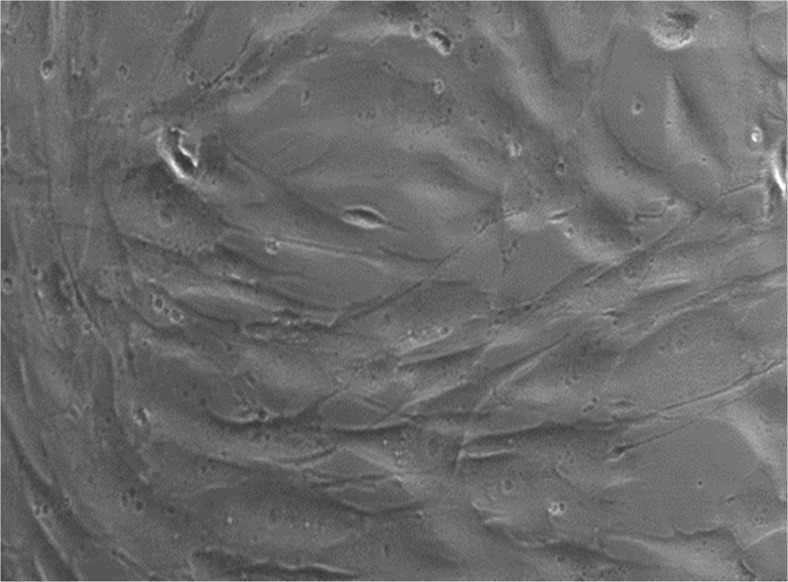
Fig. 3
Human dermal fibroblasts (HDF; 106-05a) obtained from ECACC grown to 80u00a0% confluence using the DMEM medium and supplemented with 10u00a0% ( v / v ) FBS and 1u00a0% ( v / v ) Gibcou00ae GlutaMAXu21...
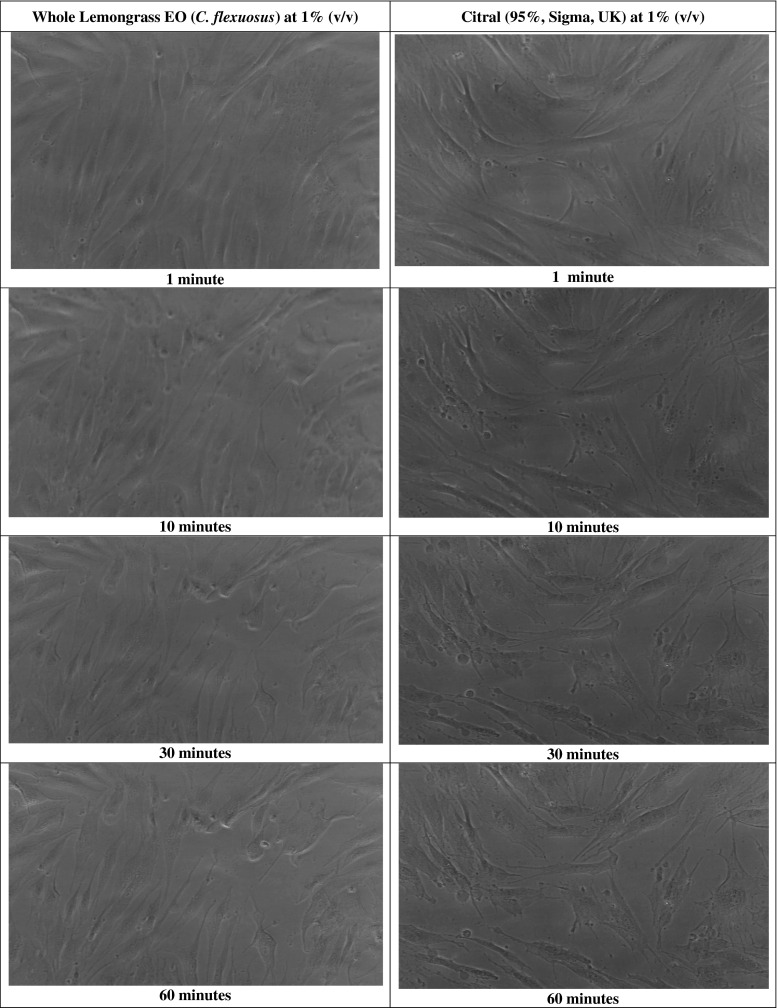
Fig. 4
Cellular morphology changes of the HDF cells exposed to Lemongrass EO (C. flexuosus) at 1u00a0% ( v / v ) and citral at 0.25u00a0% ( v / v ) over a 2-h period. The images shown represent images captur...
Figure images are served from the NIH/NLM PubMed Central Open Access Subset or Europe PMC; copyright remains with the publishers and authors.
💬 Discussion
0 commentsNo comments yet. Be the first to start a discussion!
Leave a Comment