Abstract
In the last decade, different research groups in the academic setting have developed induced pluripotent stem cell-based protocols to generate three-dimensional, multicellular, neural organoids. Their use to model brain biology, early neural development, and human diseases has provided new insights into the pathophysiology of neuropsychiatric and neurological disorders, including microcephaly, autism, Parkinson's disease, and Alzheimer's disease. However, the adoption of organoid technology for large-scale drug screening in the industry has been hampered by challenges with reproducibility, scalability, and translatability to human disease. Potential technical solutions to expand their use in drug discovery pipelines include Clustered Regularly Interspaced Short Palindromic Repeats (CRISPR) to create isogenic models, single-cell RNA sequencing to characterize the model at a cellular level, and machine learning to analyze complex data sets. In addition, high-content imaging, automated liquid handling, and standardized assays represent other valuable tools toward this goal. Though several open issues still hamper the full implementation of the organoid technology outside academia, rapid progress in this field will help to prompt its translation toward large-scale drug screening for neurological disorders.
🔬 Techniques
🧬 Organisms
✨ Fluorophores
🧪 Sample Preparation
🔬 Cell Lines
🏛️ Research Organizations (ROR)
Affiliated research institutions:
📊 Figures
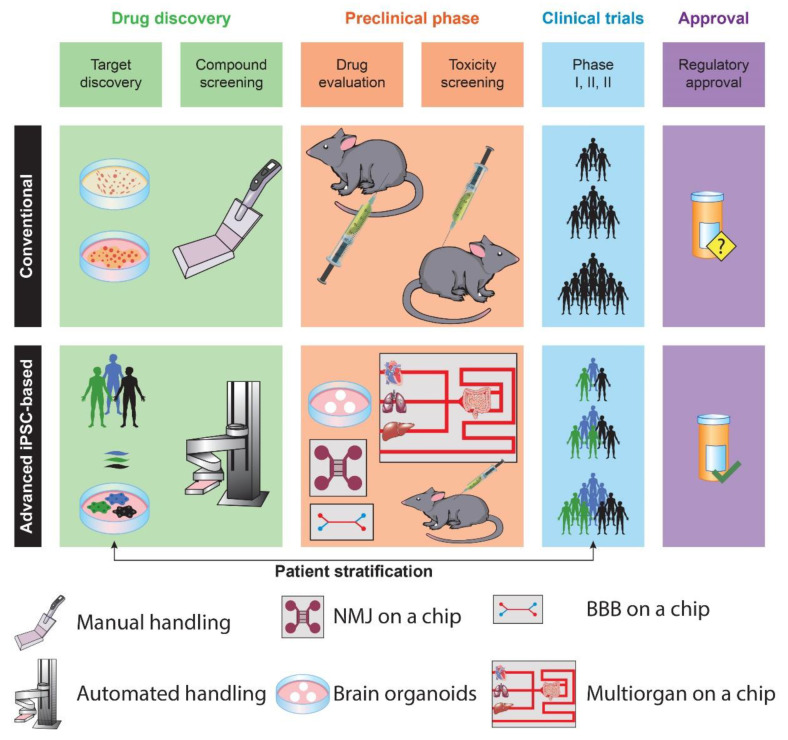
Figure 1
The conventional and iPSC-based drug discovery pipeline.
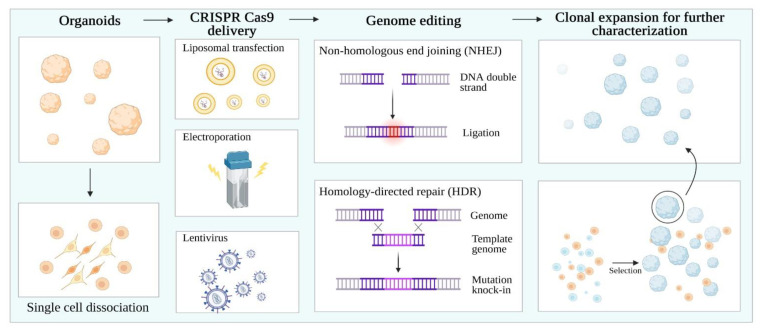
Figure 2
Genome editing of organoids using Clustered Regularly Interspaced Short Palindromic RepeatsCRISPR-Cas9technology.
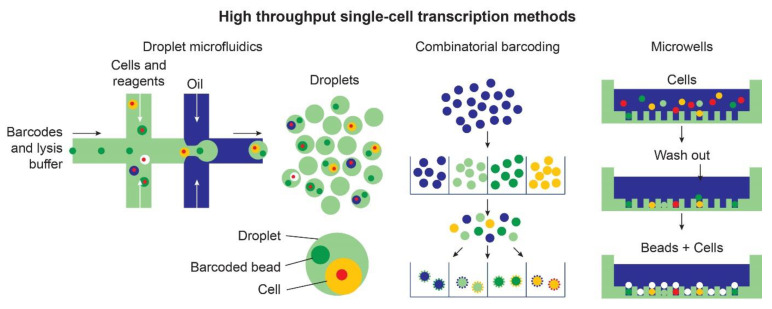
Figure 3
Single-cell RNA sequencing approaches to investigate cell heterogeneity in human organoids.
Figure images are served from the NIH/NLM PubMed Central Open Access Subset or Europe PMC; copyright remains with the publishers and authors.
💬 Discussion
0 commentsNo comments yet. Be the first to start a discussion!
Leave a Comment